Customer Experience, Information & Marketing
Passengers experience a transport service long before they step onboard.
Websites, apps, timetables, bus stops, branding, fares information and marketing all influence whether a potential customer understands the service, trusts it and ultimately chooses to travel.
Museum House Consulting can review the complete customer proposition from initial journey planning through to the onboard experience, identifying where better information, presentation or marketing could make services easier to use and more attractive to passengers.
Customer Information
Good information should make it easy for passengers to understand where a service goes, when it operates, how long the journey takes and what it will cost.
Museum House Consulting can review customer information across websites, apps, printed timetables, bus stops, electronic displays and third-party journey planning platforms.
We can identify missing, inconsistent or confusing information and recommend practical improvements.
Support can also include preparation or proofreading of timetable and service-change information where additional capacity is required.
Marketing & Passenger Growth
Good services still need to be visible to potential passengers.
We can review existing marketing activity, identify opportunities to promote particular routes or markets and help develop campaigns designed to support passenger growth.
Our experience includes marketing commercial bus and express coach networks, new services, fares initiatives, leisure travel and major service changes.
Where specialist creative or digital expertise is required, we can also help clients develop the brief and work effectively with external marketing partners.
Brand & Presentation
A brand is much more than a vehicle colour scheme.
The way vehicles, staff, customer information, websites, facilities and communications are presented collectively shapes passengers' perception of an organisation.
Museum House Consulting can independently review how consistently a brand is being delivered across the operation and identify where the customer experience falls short of the intended proposition.
This can include vehicle presentation, route branding, customer information, onboard material, digital channels and the appearance of the wider operating environment.
Leisure & Tourism
Changing travel patterns have increased the importance of leisure journeys to many bus and coach networks.
Existing services often have spare capacity at exactly the times when visitors and leisure passengers are most likely to travel.
Museum House Consulting can help operators identify opportunities to promote existing networks for days out and tourism, working with visitor attractions, local businesses and other partners.
We can develop suggested itineraries, destination content and ideas for promoting journeys that passengers may not otherwise realise are possible by public transport.
Case Study
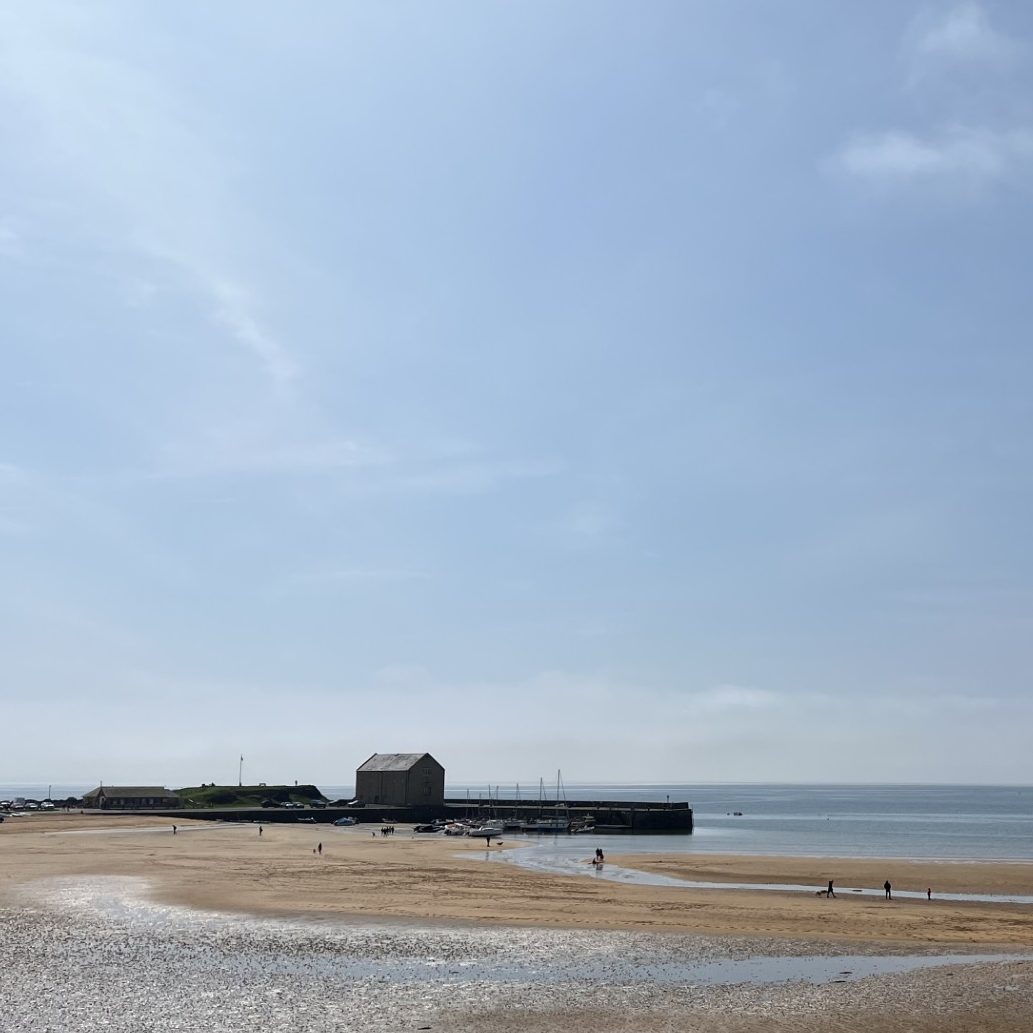
Great Days Out
Leisure travel can provide an important source of additional demand, particularly at times when traditional commuter and retail markets are weaker.
Our experience includes developing public transport itineraries that combine bus, rail, ferry and other modes with visitor attractions, food, walks and local experiences.
Museum House Consulting can work with transport operators, visitor attractions, local businesses and other partners to create ready-made days out that can be promoted through websites, social media and other marketing channels.
The objective is simple: rather than expecting potential passengers to work out where they might travel, show them what they can do using the public transport network already available.
Case Study
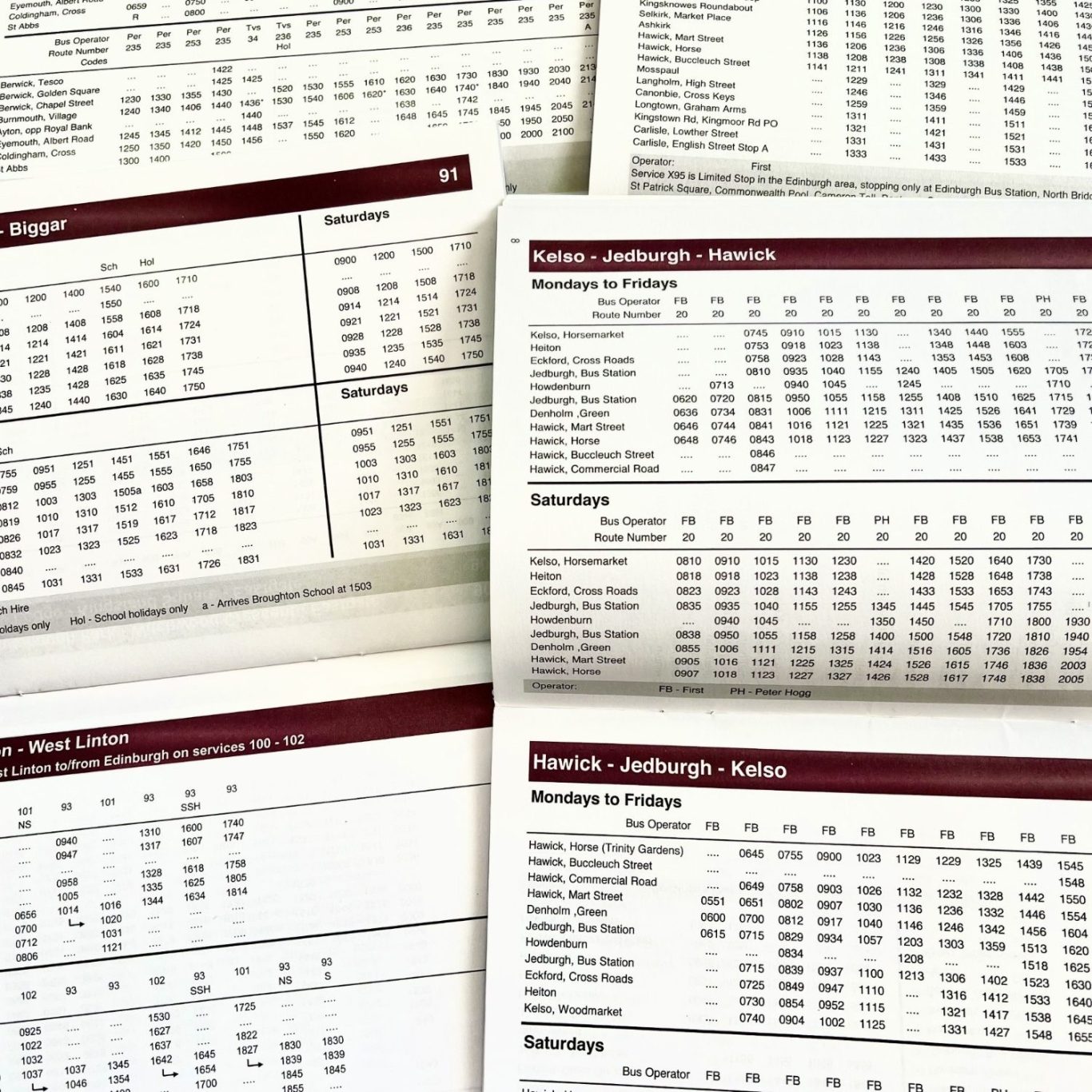
Customer Information & Passenger Experience Review
Museum House Consulting was commissioned to review the customer proposition of an established bus and coach operation, combining online analysis with extensive travel and observation of services.
The review examined websites, timetables, service descriptions, journey planning, real-time information, vehicle presentation, destination displays and the passenger experience at key boarding points.
A number of inconsistencies were identified between the service being promoted and the experience encountered by passengers, including unclear timetable information, inconsistent branding and gaps in information at important stages of the journey.
The resulting recommendations combined immediate improvements to customer information and presentation with longer-term opportunities to strengthen the overall proposition and support passenger growth.